The climate in the South of France is generally great, with roughly 300 days of sunshine beaming down across the Riviera each year.
Find loads of top tips and local insights in our Antibes Sights Reviews.
Read reviews of the best Antibes activities
The climate in the South of France is generally great, with roughly 300 days of sunshine beaming down across the Riviera each year.
Find loads of top tips and local insights in our Antibes Sights Reviews.

Rainy day activities in Antibes
The climate in the South of France is generally great, with roughly 300 days of sunshine beaming down across the Riviera each year. However, that statistic does still leave 65 days on average when the sun doesn’t shine.
We can often struggle to dispel a sense of disappointment when a holiday vision of sunshine and sparkling sea is marred by rain or windy weather. Happily, bad weather passes through the Côte d’Azur quite quickly after a few torrential downpours. To help you dispel the gloom and recognise all the fun still to be had when it’s raining on the Riviera, we’ve pulled together a list of the best activities for rainy days in Antibes.

Walking on water - exploring the stunning coastline around the area of Antibes
It’s not called the Côte d’Azur for nothing; this glimmering blue coastline is one of the Mediterranean’s prized gems tourism-wise and for its authentic, raw beauty. Let us take you on a walking tour of some of the best and most beautiful coastal paths, both the glamourous and the natural.
Its address book includes the names of Russian billionaires and oligarchs, European royalty, and Hollywood celebrities; high society events, luxurious homes, and sprawling estates are all part of the make-up of the modern day Cap d’Antibes. But it doesn’t take much to turn the clock back and re-discover the pure and natural history of this picturesque presqu’île so look past the vanity, glamour and classic cars, and you’ll see a whole new side to the beautiful Cap d’Antibes.
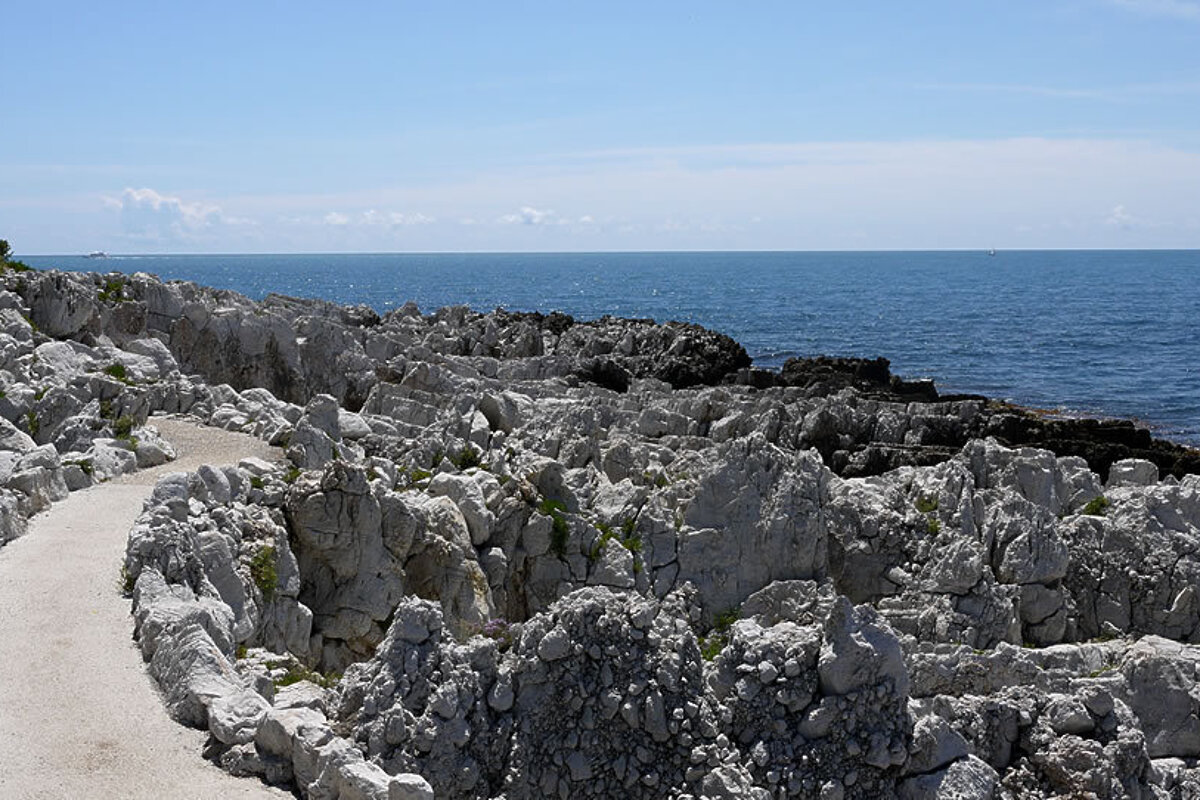
From the private beach just off Boulevard de la Garoupe, the coastal pathway peels off to the right and winds around coastline before opening up onto a small bit of headland. From there, the walk is pretty tight and a decent pair of shoes are definitely advised.
Cut into the rock is a narrow path, with small staircases and plateaux as you travel along. The views truly are exceptional and it is easy to see why this part of the Mediterranean continues to be such a draw for tourists of all budgets with steer drops into glass-like water, rocky outcrops, the scent of salt on the air and silence all around apart from the waves.
The ‘Tour de Cap’ can be taken as fast or as slow as you like; the signs suggest takes between one and two hours to complete. We’d recommend getting the Ligne 2 Eden Roc bus from Antibes town centre or driving in if you can as the walk to get to Plage de la Garoupe alone can take up to an hour.
Le Phare de la Garoupe (or lighthouse) rises high and proud above Cap d’Antibes, but despite its domineering position on the skyline, this powerful lighthouse is often overlooked and lost to tourists among Antibes’ many other attractions.
First built in the 1830s, Le Phare de la Garoupe was almost completely destroyed in WWII. It was later reconstructed in the mid-20th century and remains one of the Mediterranean’s strongest lighthouses with a range of 60 kilometres for naval vessels and up to 100 kilometres for aviation. At an altitude of over 100 metres above sea level, the lighthouse and the plateau beneath offer incredible panoramic views of Antibes itself and far beyond to the eastern edge of the French Riviera. To the west you can see the Baie de Cannes and its famous (and illusive) Iles de Lérins.
The lighthouse sits atop a dense forest of native trees and bush, and is accessible by both road and footpaths from the sandy Plage Salis at the western end of central Antibes’ shoreline. At most it is 30 minute climb from the beach and we’d definitely recommend taking the scenic route through the trees instead of the road, but there is adequate parking at the summit if you prefer to travel by car rather than on foot.
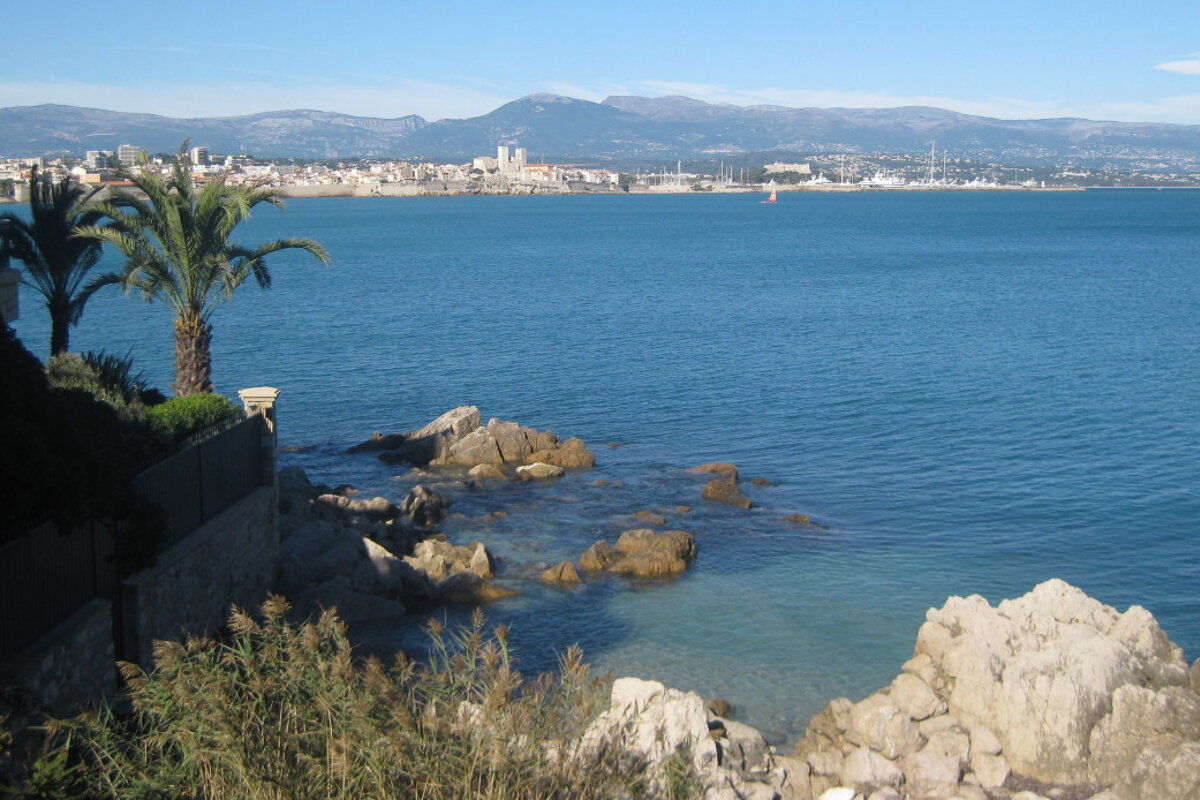
If you are only in Antibes for the day, the best way to get a feel for this authentic, former fishing village is to wander the honeycomb streets of the old town and take a slow walk along its impressive ramparts.
From the port area, which has arguably become one of the super yachting industry’s biggest destinations, pass beneath the ancient stone archways on to Boulevard d’Aguillon for your first taste of old Antibes. Less than a minute’s walk away is the humming covered market - le marché Provençal on Cours Masséna (open Tuesday to Sunday from early morning until midday for fresh fruit, vegetables, dairy products, seafood and butchery stalls as well as quintessential south of France produce like honey, lavender, olives and spices). Other attractions in the nearby locale include the beautiful Cathédrale Immaculée Conception cathedral and the Picasso Museum.
Head towards the ramparts and you will soon come across the small, but interesting Musée d’Archéologie (Antibes’ archeological museum), which is filled with treasures dating back thousands of years. Sadly there is not much information provided in English, but those with an eye for history will enjoy soaking up glimpses of Antibes’ former lives from the classic eras. The museum itself is housed in the 17th century fortress Bastion St Andre and is home to countless artefacts, sculptures and amphorae found in the harbour and in land-based digs.
Old Antibes is dense labyrinth of streets and ‘petites rues’, all lined with bustling shops, bars and restaurants. There is plenty to explore and its charm will certainly keep you busy for a whole day, but once the touring is done, you can unwind in any of the town’s popular squares such as Place Nationale or Place Charles de Gaulles with a coffee or rosé in hand!
Regardless of whether you prefer a coastal path, a hilltop hike or a city stroll, there is plenty of walking to be done in and around the wonderful city and beautiful coastline of Antibes. Make sure you check out our Hiking & Walking Guide before you go, and have a look at some of our favourite routes in the area.

An intermediate ride along the Cote d'Azur coastline
There is no other way to discover the stunning coast of the Cote d’Azur than by bike. This bike ride is not the most challenging, as no serious hills are conquered, but it is a stunning way to explore the coastal towns of the Cote d’Azur.
Our starting point was Antibes town centre and from here we headed toward the ocean, turned right toward Boulevard de la Garoupe and followed the coast road around the Cap d’Antibes. This route loops round the edge of the cap, keeping the glamorous estates to your right and their yacht equivalents lazily floating in the Mediterranean sea to your left. However you should pay attention to the road whilst taking in the views on this stretch of road as it is narrow with a lot of traffic.
As you approach the foot of the cap the road cuts inland across it and directs you back up towards the chic town of Juan-les-Pins. The road then rejoins the coast and takes you through the town’s high street. Along here we enjoyed the awe-inspiring yachts moored in the marina of Port camille Rayon in Golfe Juan. The town is more understated and simple, with a wide open road lined with Palm trees, whilst the flat landscape lets you admire the boats moored along the harbour.
Past Golfe Juan you pick up the signs to Cannes. Our trip had coincided with the Cannes Film Festival, so the roads were very busy along here. Nonetheless, it was not an unpleasant journey as there is a dedicated cycle lane which runs alongside the road.
On arrival into Cannes we came to a dead end, as the main coastal road was shut for the film festival and dominated by pedestrians. However, on a normal day this stretch of road would be beautiful to cycle along. The seafront shops consist of some of the biggest names of fashion, palm trees tower over the boulevard and the wide open beaches give a different feel to the rustic Cap d’Antibes.
The roads were calmer after exiting the town of Cannes, making the onward road very pleasant. We had been warned that the road would start to get more hilly from here, but for the section between Cannes and Theoule-sur-Mer, which was our next stop, they remained flat.
Continuing to follow signs to Frejus our stomachs finally got the better of us and we stopped for lunch in Theoule-sur-Mer. We found a great restaurant, Palazzo Pizzeria, overlooking the beach where we had a delicious, crispy-based Italian pizza and a salad with some of the best buffalo mozzarella.
After soaking up the rays, and food, we continued onward. Out of Theoule the road climbs gently up and you can see you are heading up the cliffs. The climbing is not long or strenuous and worth every peddle, from here onward the views are stunning. If you are making a full day of it pack your swimwear and park-up at one of the dozens of coves which could be your own private beach!
The undulating road finally drops gently into Le Dramont, a small beachside town, and we carried on through to end up at our final destination of Saint Raphael. We chose this as our stopping point as it is the last coastal town before you head slightly inland to Frejus. Naturally we ended up at a beach where we had a quick dip in the sea to cool off before jumping on the train back to Antibes.
This cycle route was my favourite of the holiday, mainly because of the views after Theoule-sur-Mer. They were stunning, the water in the coves was a beautiful colour of turquoise and the quiet roads meant you had all the time in the world to take in the scenery.
If you are looking to make this a little more challenging you can always extend the ride up to Frejus, which is the end point of the train line returning back towards Nice. Alternatively, you can turnaround and come back. Our route was approximately 45km and to extend the ride to Frejus would be adding another 10km.

Our guide to uncovering some of Antibes' hidden treasures
Antibes is a very popular tourist destination, and little wonder, with its towering ramparts, soft-sand beaches, medieval old town, and vast superyacht port. Yet there’s much more to see in Antibes than the big-name attractions and sights.
In fact, some of the hidden little spots reveal a secret Antibes, a historical, cultural, gourmet (and breathtakingly pretty) treasure of a town that many tourists miss entirely.
Because we believe that some of the great moments of travel come in the less-expected places, we’ve put together a guide of the best small and secret spots to visit in Antibes.

Beauty, history and ambience along the Côte d'Azur
When it comes to beautiful villages, the South of France is a shameless show-off. With the hills rising steeply above the Mediterranean coast, the Côte d’Azur is simply littered with perched medieval villages rich in history and atmosphere.
There are so many delightful villages to explore from Antibes that winnowing it down to just five almost seems cruel (and will no doubt attract some argument) but winnow we have.

A classic cycling route up a steep mountain pass on the Cote d'Azur
A challenging ride up a steep mountain pass to a summit of 963m, the Col de Vence is a classic cycling route of the Cote d’Azur. Starting from Nice along the Promenade des Anglais, follow the cycle path past the airport to Cagnes-Sur-Mer; you’ll know you’ve reached Cagnes-Sur-Mer when you come to a long stretch of seafront and a dangling rhinoceros (you’ll understand when you see it), turn right up Avenue General Leclerc - it’s the second road after the church.
From here you pass through the busy part of Cagnes-Sur-Mer centre following signs for Vence and the M336, there’s always a lot of traffic around the railway bridge but after that the road opens out and there’s a designated cycle path.
Once you’ve cleared the town centre the road starts climbing, Vence sits at an elevation of 325m and you’re starting from sea level so it’s not a huge ascent. The climb up is quite short and once Vence comes into view on your left you’ll see that you’re already almost level with it. If you want to explore the old town then follow the brown signposts for Cité Historique, where you’ll discover plenty of medieval buildings, ancient streets and pretty squares. Vence is also quite a modern town with a lively centre, so if you need to stock up on any supplies for the ride then you’ll find plenty of shops here. There are also a lot of nice cafés and restaurants, so it makes a good lunch stop on the way back.
Once you’ve noodled round Vence for a bit, leave the village via the north exit of Place Marechal Juin (Avenue Tuby) and take the Avenue Henri Girauld, signposted for the Col de Vence.
From here it’s onwards and upwards! The first sign you see for the Col is an information panel telling you how many kilometres away it is and how many metres to the summit - these panels are at every kilometre and are a handy way of tracking your progress. They also become instruments of torture when you get higher up and they seem to be spaced further and further apart, sometimes it’s best to take the ignorance is bliss approach and not look out for them. They’re also a handy reminder to stay hydrated - I make sure I take a big glug of water as I pass each one, just to make sure I’m drinking enough. Sip plenty in between as well if you feel the need, halfway up a remote col is not the place to start feeling faint.
The road up to the col is very exposed with no shade at all for about the last 9km; wear sunscreen and make sure you’ve got some decent sunglasses.
The gradient is about 6.5-7% for most of the climb; not mega-steep but enough to get everything pumping. The killer is that it is constant, there are no flat bits at all just slow gradual climbing with no relief for a good 8-9km. The landscape is amazing though, so keep your head up and let the incredible scenery distract you as mountain after mountain stretches out into the distance.
Once you reach the col you can take the obligatory “bike by summit sign” photo and stop for a breather as you take in the wonderful view. Bizarrely there is a quite unexpected refreshment stop up here - the Ranch El Bronco. The ranch is a small horse trekking centre that has a little drinks bar and a shady terrace, where cyclists are welcome to take a break.
Another thing that might take you by surprise is the occasional free range cow; they don’t seem to be penned in up here so they are sometimes hanging out beside the road and wandering back and forth across it. They are massive with great big horns, which means that they get right of way.
Even more intriguing is the fact that the Col de Vence is apparently a notorious spot for UFO sightings - check out this website if you want to know more about alleged alien activity in the area. The truth is out there.
What with remote ranches, UFO sightings and marauding cattle, the Col de Vence is more like an unlikely outpost of the wild west than a scenic route near the French Riviera.
The descent is glorious and the long haul to get to the top is soon forgotten as you fly down the sinuous bends. The road surface is in excellent condition, not a crack or pot hole the entire way. It is also so quiet up here that you almost have it to yourself, you don’t need to worry about hoards of traffic at all. You’ll be back in Vence in no time, wishing that some sort of weird phenomenon could make the descent twice as long as the ascent - it’s over far too quickly!
If your mission is all about bagging the col then consider it accomplished and return home via the way we came, which is the most direct route. If however, you want to see a bit more of the area and visit a couple more villages then head back through Vence and follow signs for Saint-Paul at the main junction and take the D2 all the way there.
A short caper along a pleasant tree-lined road and you’ll find yourself at the entrance to Saint Paul de Vence. If you turn left at the pharmacy you’ll come to the entrance to the village where there’s a beautiful big square lined with olive trees where all the locals gather to play boules - they’re used to being gawped at by fascinated tourists and you may even be invited to join in a game. If you’d rather just spectate then there’s a nice bar with a long terrace that runs along the length of the square. The village itself is well worth a visit, you can walk around the ramparts and admire the panoramic views or enter into the maze of tiny streets that makes up the village centre. The village is known for it’s many galleries and art shops, so if you’ve got gifts to buy then this is the ideal place.
From Saint Paul de Vence it is easy to find your way along the D7 to La Colle Sur Loup, a quaint little village that is known for its antiques shops. It’s far less touristy than Saint Paul, so it’s a good option if you just want a quiet coffee and a leisurely stroll.
From La Colle Sur Loup you continue along the D436 back to Cagnes-Sur-Mer, which will bring you back to the town centre. Be sure to follow signs for CAGNES and not CANNES, or you will end up way off track.
The return through Cagnes-Sur-Mer is slightly different due to ring-roads and one-way systems but just follow signs for Nice, Saint Laurent du Var and Cagnes-Sur-Mer and you’ll be going the right way - do not head in the direction of Antibes or you’ll be going the opposite way.
Once you hit the seafront at Cagnes-Sur-Mer it’s plain sailing along the cycle path all the way back to Nice.

A beautiful drive through the villages of the French Riviera and Antibes
Each year under clear blue winter skies, a carpet of gold creeps across the rolling hills and quiet stone villages of the French Riviera. As spring approaches, the mimosa trees come into spectacular bloom in the South of France, the sprays of soft yellow flowers vivid against the sparkling Mediterranean Sea.
The Route du Mimosa is a 130km driving route created to celebrate this extraordinary phenomenon, linking eight villages and towns that are famous for their stunning mimosa displays and festivals.
Any visiting Australian will be heard to ask with puzzlement about the mimosa flower. ‘Why’s there so much wattle? How did it get here?’ While the French are often quick to claim the fluffy, soft baubles of yellow flowers as their own, the mimosa tree is in fact the famous wattle tree - Australia’s national flower- imported to France in the 1800’s by visiting British, who thought it would grow well in the sunny climate. And they were right. By the time the Belle Époque was in full swing and the Riviera was a wintertime resort of glittering parties and grand hotels, the Mimosa tree had transformed the landscape, turning the valleys and forests a burnished gold and becoming the local symbol that winter’s grip was broken.
Which, of course, is a timely reminder that the South of France is a wonderful place to be in the late winter, particularly if you feel like a driving holiday through glorious scenery, stopping at local festivals and quaint villages along the way.
The sweet-smelling mimosa flower blooms from late January to early March and the Route du Mimosa is best driven in February, which is when the majority of mimosa parades and village festivals take place. This is the most pleasant time of year to be driving along the Riviera, avoiding the clogged roads and heavy heat of midsummer allowing you to enjoy the crisp air, snow on the Alps and the Mediterranean shining in the winter sunshine.
To be honest, you could do this trip at any time of year as it takes in some very pretty towns and countryside, from the foothills of the Alps down to the long white sandy beaches of Saint Raphael on the Gulf of Saint Tropez.

Where to shop and where to stop for your picnic
Warm sunny days, long pink twilights, sparkling sea, Antibes is the perfect place for a picnic.
Whether you want to eat on a rocky headland with a view across the Bay of Angels, on a Riviera beach with people playing volleyball on the sand, or by a lake in the quiet hills, Antibes is full of wonderful picnic opportunities.
Here are some of the best picnic spots in Antibes, as well as some local’s tips on the best places to shop for your picnic.

Yachting capital, beach resort and historical treasures
Antibes has many faces. First ruled by the Ancient Greeks, its thick city walls were built high during medieval times to defend from invasion, pirates and plagues.
As tourism arrived on the Riviera in the 19th century, the town enjoyed a renaissance from a quiet fishing village and military post into a popular Mediterranean destination known for its dazzling superyacht port, beautiful old town, and soft sandy beaches.
To help you discover Antibes’ many personalities and evolutions, we’ve put together a list of sights and experiences to give you a real sense of this charming French port town. Here are the essential sights of Antibes.

No better way to explore the coastline than on a yacht
Sailing along the coastline of Antibes, feeling the sea breeze on your face while enjoying a chilled drink and exploring the crystalline waters of the Mediterranean – there is truly no better way to enjoy this region than on board a yacht.
We have picked our favourite yachts in Antibes so that you just need to do is have a look, book it and show up at the marina. Ahoy!

The perfect French Riviera town for a weekend getaway
Antibes is a charming town with several bewitching personalities: glamorous superyacht port, fortified medieval village, and friendly Mediterranean beach resort. 48 hours in Antibes allows you to explore this ancient Riviera port and its beautiful coastline.
5pm: After checking into your Antibes accommodation, take a leisurely twilight walk through the picturesque cobbled streets of the old town and down along the port, where huge superyachts are docked on the international quay. Make sure to wander along the ramparts to view the stunning ‘Nomade’ sculpture of the giant man sitting high above the sea, and have a paddle at the little beach by the port here, which stays busy long into the pink summer evenings. Enjoy the view across the bay to Nice and the Alps in one direction, and the famous Cap d’Antibes in the other.
8pm: Take a table at one of the strip of restaurants on Boulevard Aguillon, the pedestrianised area down by the ramparts. This is one of the liveliest places in town with a great atmosphere in the summer months, with an evening market selling jewellery and knick-knacks, and a steady stream of street performers and buskers plying their trade.
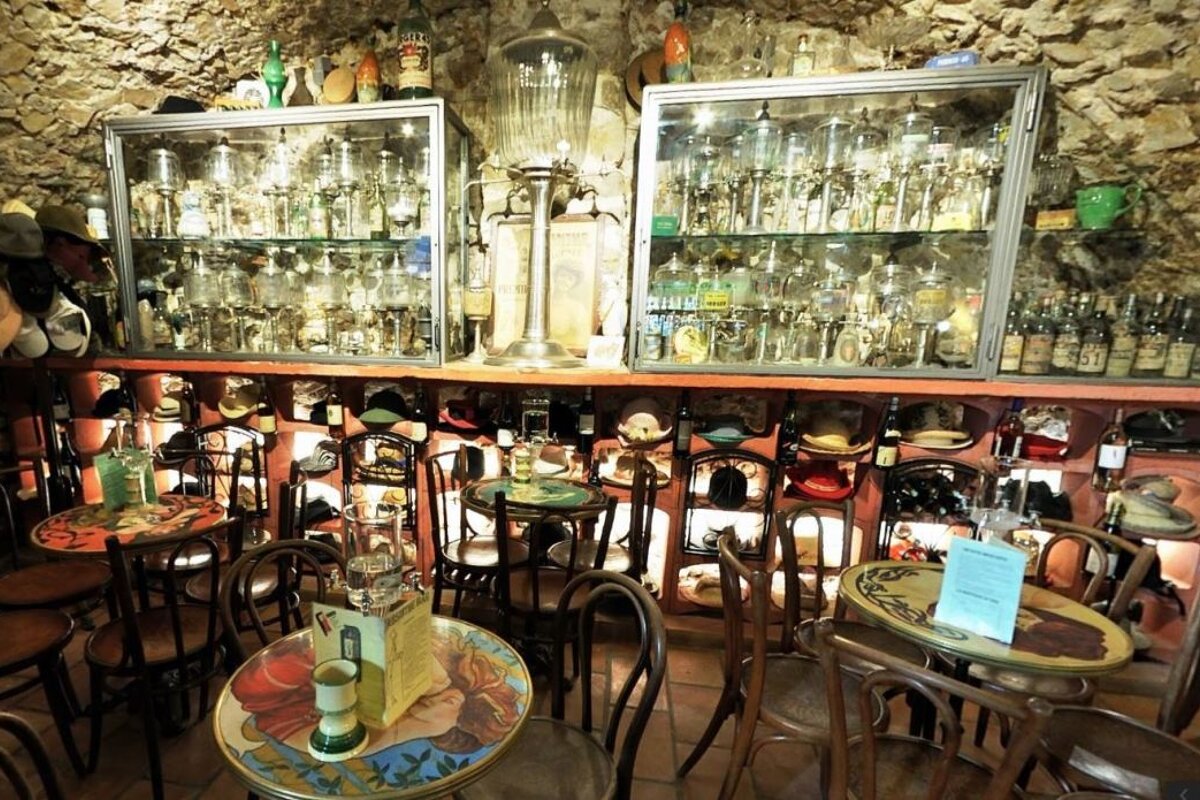
10pm: Head down into to the Absinthe Bar for an unforgettable nightcap. Set in a cave below street level, the curved roof is plastered with old French posters, and the walls are lined with hats of every colour, shape and size- all of which get passed around and worn by the crowd of happy patrons. There’s a piano in the corner, where a musician plays most summer nights- throwing the floor open to karaoke on occasion. As for the absinthe itself, it’s delivered to the table with a large glass fountain, from which you drip icy cold water through a sugar cube into the small amount of absinthe in your glass. If you like the flavour of black jelly beans, you’ll be in heaven. If you don’t, just order a beer, put on a silly hat, and join in the fun.
9am: Walk to the bustling covered Provencal market to buy picnic ingredients. Stalls sell huge wheels of cheeses, piles of gleaming olives, tranches of cured meat and bushels of sweet-smelling lavender, and local fishmongers are busy filleting fish and shucking oysters. I suggest a simple, cheap and utterly delicious breakfast of socca bought from the mobile wood oven at the end of the market – or of course, you could take a café table with the locals and eat some oysters washed down with local rose. (Why not, you’re on holiday.)
10am: If you’re in the mood for more markets, Antibes has quite a few on offer, including the antiques market in Place Nacionale on Saturday mornings. See our Antibes Markets Guide for more.
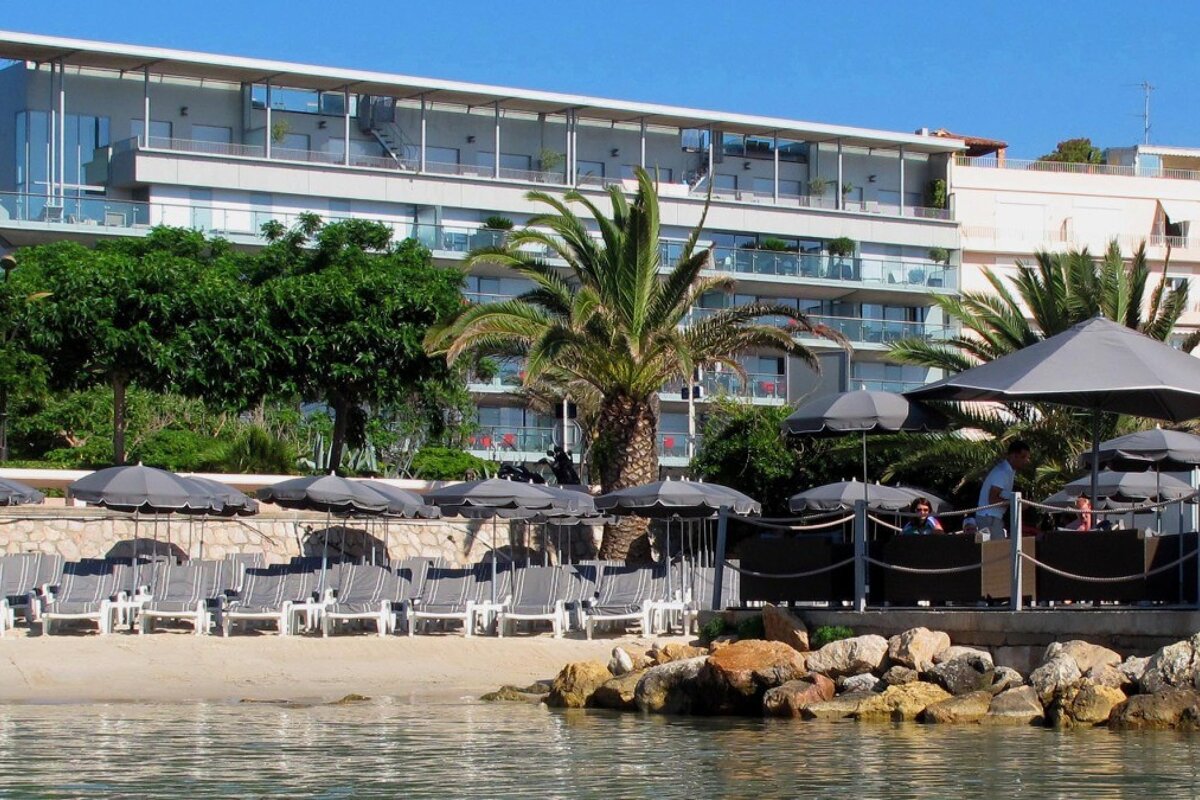
11am: To the beach! Antibes has some lovely sandy beaches, whether the horseshoe-shaped ‘Plage de la Gravette’ just by the port, the open beaches past the ramparts, or the pretty little coves and rocky swim platforms around the Cap d’Antibes. Swim, play beach volleyball, rent a kayak, eat your delicious picnic. If you’re not the picnic-type and would prefer to lunch in a beautiful beach club overlooking the water, head to Royal Beach and be waited on instead.
2pm: Art-lovers should visit the famous Picasso Museum in the tower of Chateau Grimaldi, where Picasso lived and worked for several months and then donated all of his work in thanks. (Read more about Picasso’s life on the Riviera here.) Otherwise, just roam about the town- perhaps join in on a game of boules under the shady trees near the water, eat nougat from the sweet shops, and just soak up the feeling of Antibes in the summertime.
4pm: Jump on the white tourist train from Rue de la Republique (the square with the carousel), and head over the small hill to the neighbouring town of Juan-les-Pins, a fun seaside resort of art-deco hotels, great boutiques, and sandy beaches under the pine trees. Perhaps order a cocktail at one of the glamorous beach clubs ass the sun goes down, or just wander along the palm-lined seafront enjoying the holiday atmosphere.
7pm: If you’d like to remain in Juan-les-Pins for the evening, go to the South-Pacific themed bar Pam-Pams for one of their famous cocktails, then choose one of the many restaurants to enjoy dinner. If you like nightlife, Juan-les-Pins always delivers, with several large and rather swish nightclubs to choose between. Otherwise return to Antibes proper for a pleasant evening meal and a few drinks at one of the lively bars.
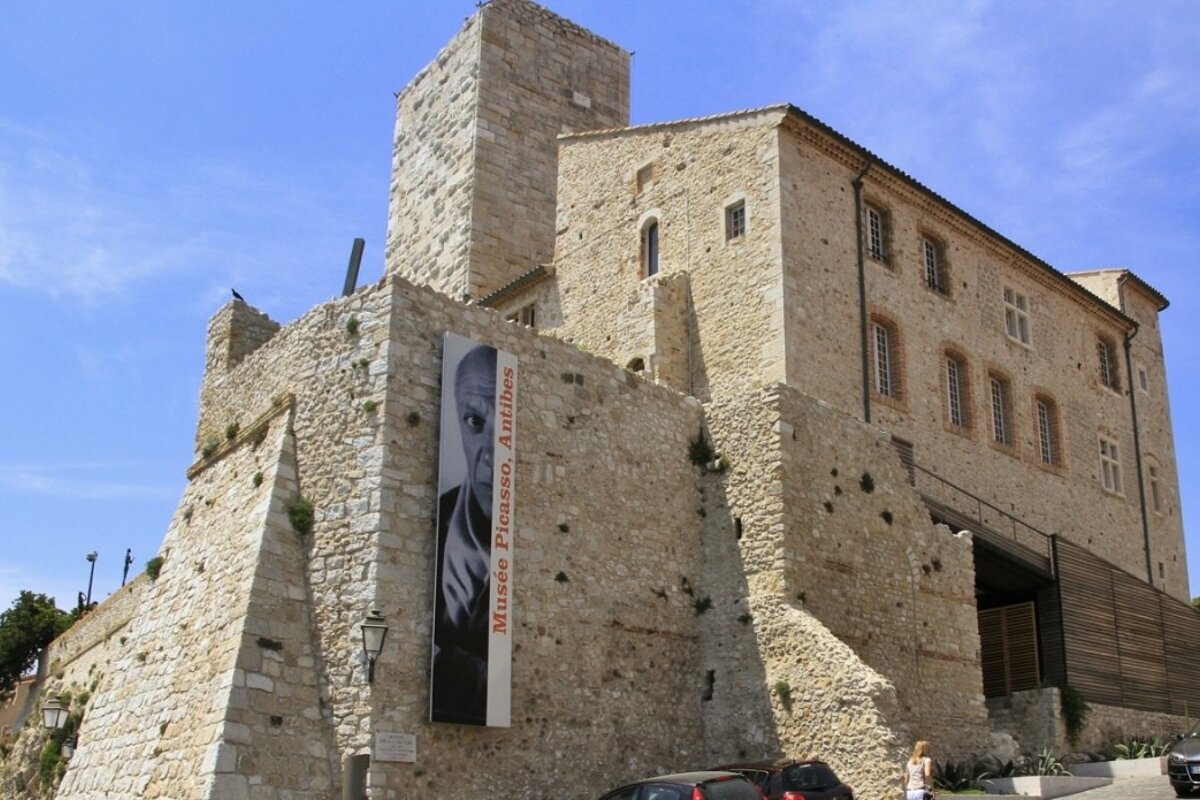
8am: Enjoy breakfast with a sea view on the large terrace at Royal Hotel, or one of the few cheaper cafes along the open beaches.
9am: A Sunday morning walk along the Mediterranean coast is one of life’s great pleasures, and Antibes really delivers. If you don’t want a long walk, take the ancient Roman cobbled path up through the pine forest of Cap d’Antibes up to the lighthouse. The views across the coast in both directions are spectacular! Meanwhile, a bit further around the Cap is one of the great walks of the French Riviera. The Sentier Littoral coastal path leaves from the glorious Plage de la Garoupe and winds around the rocky coastline, taking you past idyllic coves and the splendid villas of Millionaire’s Bay.
12pm: Return to Plage de la Garoupe for a refreshing swim and lunch at one of the stunning beach clubs. If you’re watching your holiday budget, fear not- there’s also a cheap café and a family friendly beach club on offer. You can rent a paddleboard or kayak here and explore the stunning coastline from the water, or just lie back on a deckchair and relax. If you really want to push the boat out, take a table at the iconic Hotel du Cap Eden Roc nearby, enjoying the truly spectacular view that so many celebrities and royals have enjoyed before you.
3pm: Return to Antibes town for one last wander through the pretty streets with an ice cream, before departing.
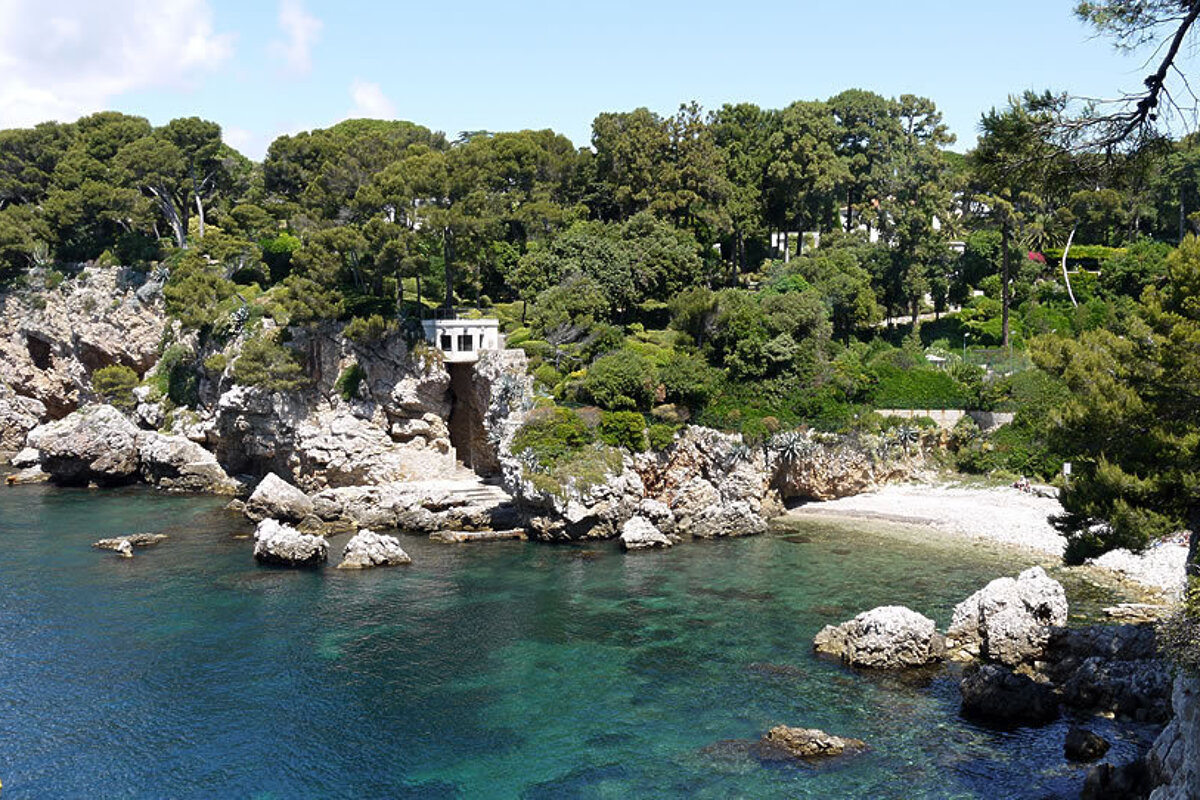
For more accommodation, things to see and things to do in Antibes.

Best places in Antibes for selfies and photography
Whether you’re posing for a glamorous selfie in front of a superyacht, snapping colourful shots of fresh produce at the Provencal market, or photographing the crystal clear coves and grand villas of Cap d’Antibes, Antibes offers some spectacular photo-opportunities.
To ensure that you take home some brilliant memories on camera, we’ve put together some of the most photogenic and iconic locations around Antibes to take photographs.

Sightseeing and tours a stone's throw from Antibes
With its golden beaches, gleaming superyachts, and a picturesque old town of cobblestones and Provençal markets, Antibes has plenty to offer its visitors. Yet, just outside Antibes, lie some of the best day trips in France, if not the whole world.
Here are just a few of our top picks.

Winter food & wine tours around Antibes
The best winter foodie experiences on the French Riviera, taking in cooking schools, olive oil tastings, and vineyard tours.
The Mediterranean might have that winter sparkle and the Alps wear their mantle of snow, but the French love affair with food continues unabated during the winter months. In fact, some of France’s most hearty, delicious food comes into its own in the cooler months— and it’s all the better when washed down with a glass of Provencal red by a roaring fire, or indulged in at a market stall in the crisp winter air.
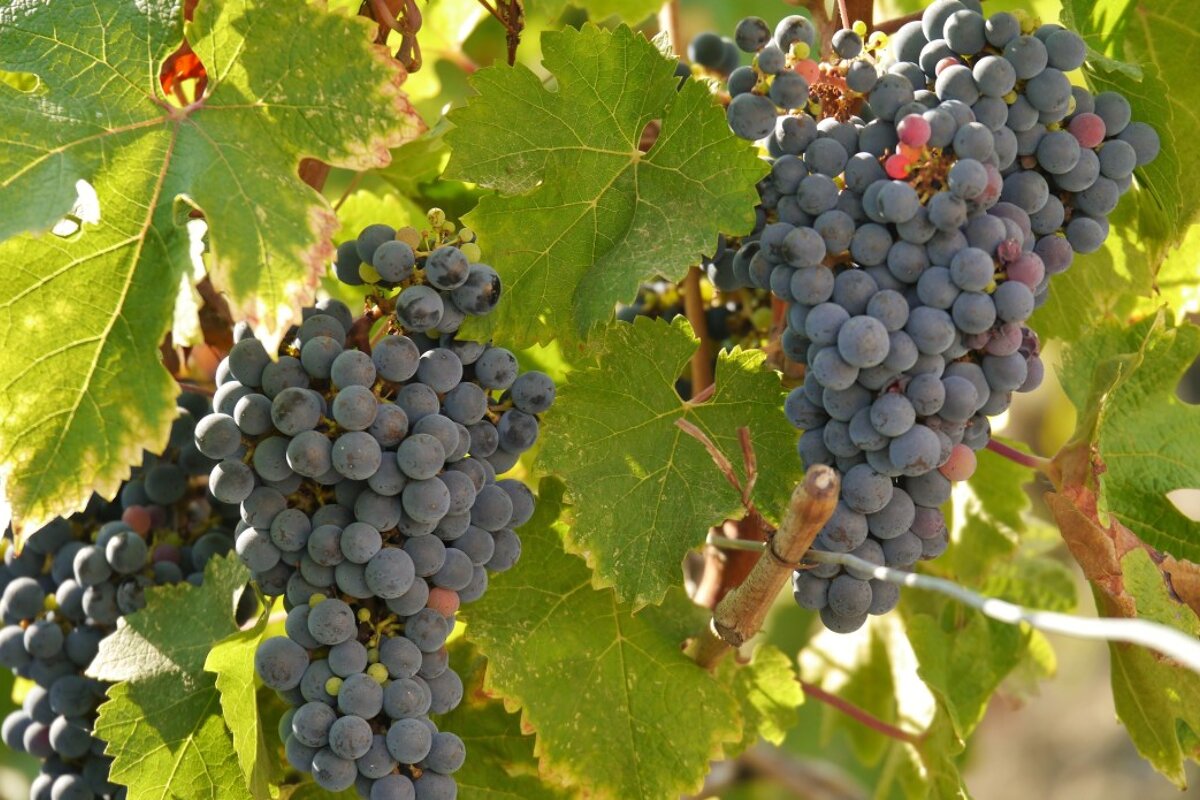
Savouring French food and wine are integral parts of the French Riviera experience, and just because winter has arrived doesn’t mean that your Antibes holiday can’t be rich in amazing gastronomic experiences such as cooking classes, olive oil tastings, markets, and vineyard tours.
All cooking schools listed here are English-speaking and are open year-round. However, classes do run less regularly in the wintertime and often by appointment only, so we thoroughly recommend that you book in advance.
For those seeking an idyllic farm-cooking experience with a focus on seasonal and bio-organic ingredients, it will be impossible not to be charmed by the Graine & ficelle cooking school. Set on an eco-retreat in the rolling countryside near La Colle sur Loup, the cooking workshops use ingredients picked from the farm’s own organic garden, and provide delicious alternatives to gluten and dairy. Half-day classes start at 90 euro per person and cater for all skill levels.
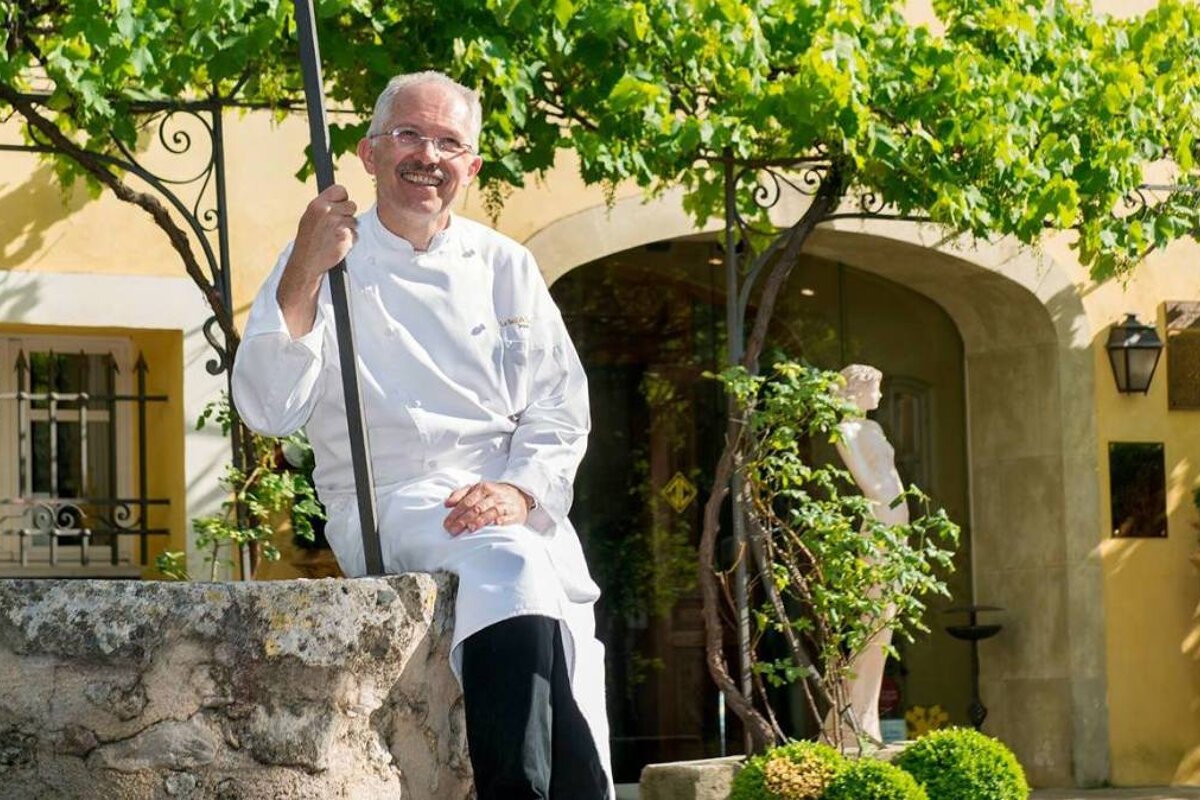
Learning from a Michelin-starred chef in France is the dream of many an amateur cook, and the stunning surrounds of La Bastide Saint Antoine Hotel in Grasse is the perfect place to fulfil that dream. Celebrated chef Jacques Chibois runs cooking classes for amateur food lovers at this 18th-century hotel estate, which is surrounded by 5 acres of olive groves and parkland. You’ll observe and participate in the brigade as you move from larder to pastry chef, and eat your meals at the communal table. Early birds can even accompany the chef to market at 5:30 am on Wednesdays and Fridays.
‘We eat with our eyes’, as the saying goes, and at this Antibes cookery school you’ll learn the art of delicate French cooking with the flowers of Provence, from the rose of Grasse to the jasmine and violets of Tourette sur Loup. Winter courses include ‘Les Secrets Gourmands’ (3 hours), and a matching food and wine ‘Les Accords d’un Plat’ (90mins). Classes are run at a venue in Antibes, but if you have a venue such as a holiday villa, chef Yves will come to you.
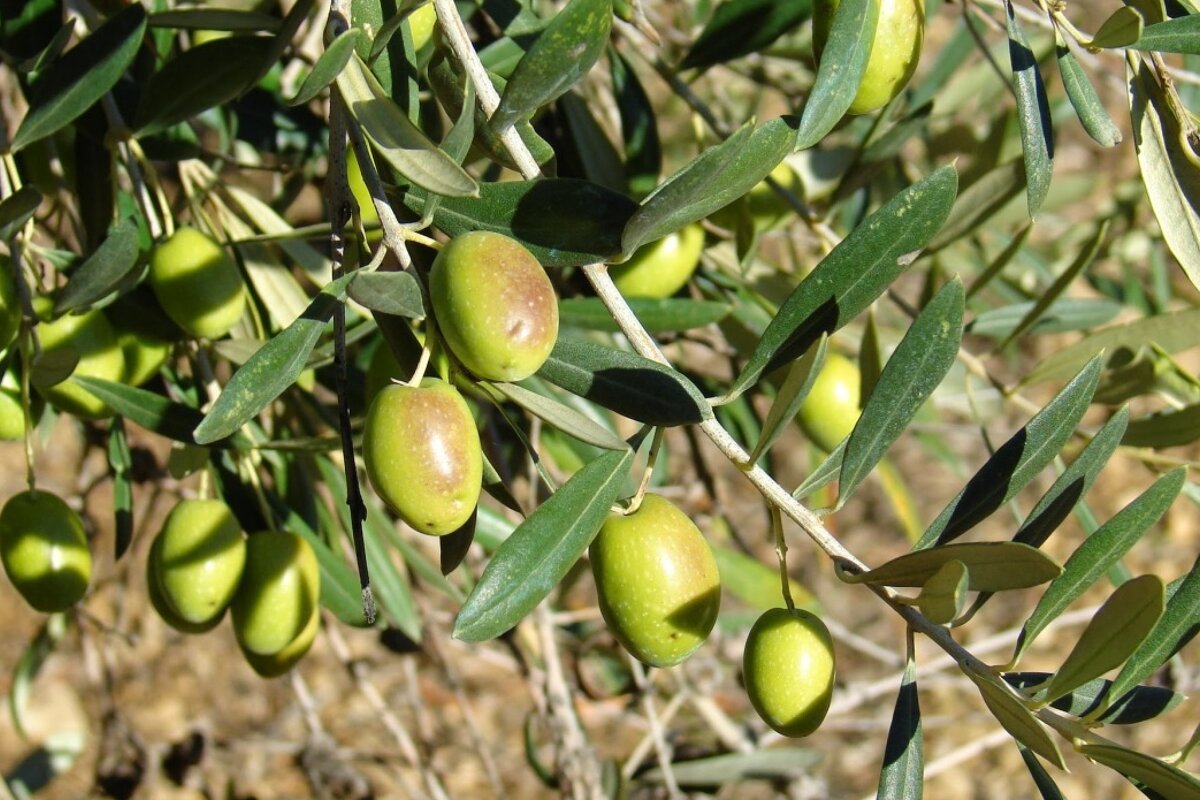
Take a guided walk through 500 year old olive grove, La Royrie Estate, in the winter sunshine on a stunning estate in Grasse. Explore the medieval garden and herbarium, visit the 18th-century peasant houses, and taste the olive oils and produce from the garden. Tours are one hour and 15 minutes long, are conducted in French and English, and cost 10€. Alternatively, go to the welcoming La Royrie shop in Grasse for olive oil tastings, as well as seasonal samplings of fig puree, wild rosemary syrup, and pumpkin jam.
There are an abundance of high-quality vineyards within driving distance of Antibes, and luckily, many of them stay open for cellar door tastings in the winter. The off-season is a great time to visit these estates, as you can take your time to taste, savour, and chat with the vintners without feeling hurried by other people. You may wish to take one of the excellent day or half-day tours so that you can learn from experts along the way (and not have to count your drinks.) The below operators were both shortlisted for the Luxury Travel Guide 2016 Global Awards and enjoy an excellent reputation for their tours.
Day tours are led by head guide Raphael Vigneau, a passionate French winemaker who has sat on the pre-selection panel of the coveted Paris Wine Fair. The day tour at Azur Wine Tours visits four Provencal wineries and stops for lunch in the clifftop village of Chateaudouble, offering tasting tips and knowledge of the terroir and scenery along the way. Tailor made tours are also available, and all tours include pick-up and drop-off from your Antibes accommodation and English speaking guides.
Bandol & Riviera Wine Tours offer full day excursions visiting three or four vineyards and a delicious Provencal restaurant lunch, three-quarter days with two vineyards and lunch, or half-day tours offering two vineyards with refreshments. Each stop includes guided tours of the domain and cellars, as well as wine tasting and tips. Tours leave from Saint Tropez, Cannes and Nice, but they can pick you up from your accommodation anywhere on the Cote d'Azur.
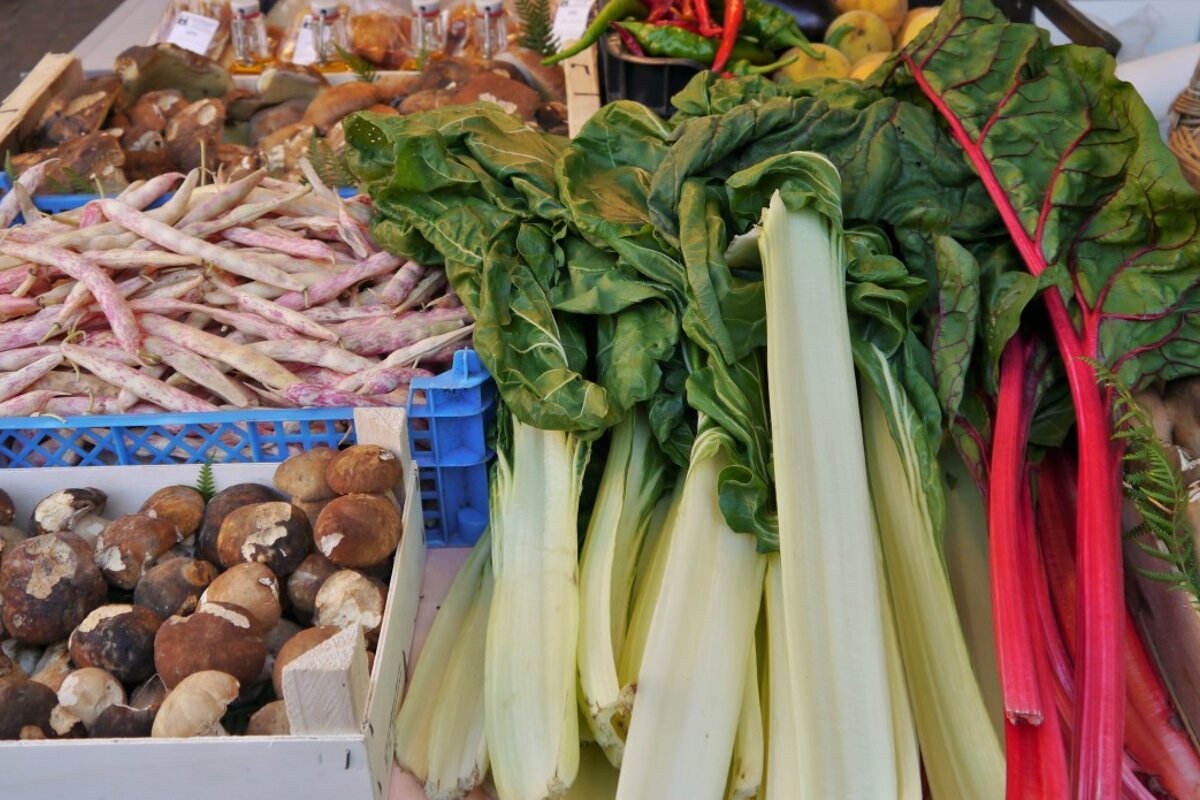
No foodie worth their pink Himalayan salt will go past the covered Provencal market, which is open year round except Mondays during winter. Crammed with local produce and colour, the local delicacies worth trying include a slice of socca, a wood-fired chickpea crepe which is served all hot and delicious in tin foil and is the perfect warmer for a wintry morning.
Free of the summertime crowds, a winter foodie escape to Antibes will allow you to stop and chat with the winemakers, chefs, shopkeepers, and stallholders, and savour the local life and quiet beauty of the Cote d’Azur in the off-season.
Any great foodie experiences we’ve missed? Let us know in the comments!

Glass blowing in the beautiful hilltop town above Antibes
On a sunny Tuesday morning in April I found myself getting quite lost in the maze of narrow streets and lanes in the stunning, and slightly quirky, hilltop town of Biot.
The 15 or so minute journey by local bus from the centre of Antibes to the hilltop village of Biot makes Biot one of the easiest towns to visit if you happen to be staying in Antibes. If you are coming from further afield then the SNCF train that journies along the coast stops at the central bus station just outside Port Vauban (Antibes) so that you can make the quick transition to the local Envibus service.